
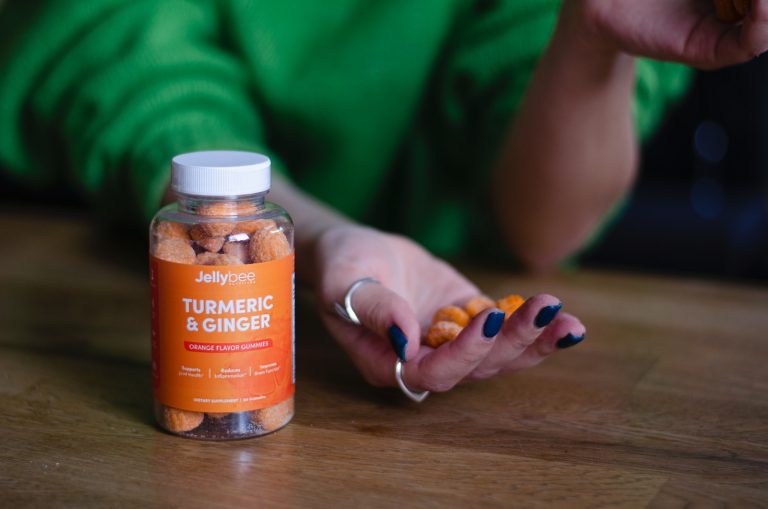
Turmeric induced liver injury is a rare but well-documented adverse effect of the popular Indian spice. Curcumin, a polyphenolic compound derived from turmeric, is known to have hepatoprotective activity against various liver injuries. However, the mechanisms by which it exerts its protective effects are not fully understood. In this review, we discuss the possible mechanisms by which curcumin protects the liver against injury, including its antioxidant, anti-inflammatory, and immunomodulatory activities. We also discuss the potential clinical implications of these findings.
It is well known that oxidative stress plays a key role in the pathogenesis of various liver injuries. Curcumin has been shown to scavenge free radicals and to inhibit lipid peroxidation, two processes that contribute to oxidative stress. In addition, curcumin has been shown to upregulate the expression of antioxidant enzymes such as superoxide dismutase and glutathione peroxidase. Curcumin’s ability to protect against oxidative stress may explain its hepatoprotective effects against various liver injuries.
In addition to its antioxidant activity, curcumin also has anti-inflammatory activity. Chronic inflammation is a major contributor to the development of liver injury. Curcumin has been shown to inhibit the production of pro-inflammatory cytokines such as tumor necrosis factor-alpha and interleukin-1 beta. In addition, curcumin has been shown to downregulate the expression of pro-inflammatory genes such as inducible nitric oxide synthase and cyclooxygenase-2. The anti-inflammatory activity of curcumin may also contribute to its hepatoprotective effects.
Curcumin also has immunomodulatory activity. The liver is a major site of immunologic activity, and liver injury often involves an immune response. Curcumin has been shown to modulate the activity of various immune cells, including macrophages, natural killer cells, and T-cells. The immunomodulatory activity of curcumin may contribute to its hepatoprotective effects.
In conclusion, curcumin protects the liver against injury by scavenging free radicals, inhibiting lipid peroxidation, upregulating antioxidant enzymes, inhibiting the production of pro-inflammatory cytokines, downregulating the expression of pro-inflammatory genes, and modulating the activity of immune cells. The hepatoprotective effects of curcumin may have potential clinical implications for the treatment of liver injuries and liver disease.
non alcoholic fatty liver and alcoholic fatty liver disease
hepatic steatosis
hepatic fibrosis
Curcumin has been shown to protect against oxidative stress, inflammation, and immunologic activity, all of which play a role in non-alcoholic fatty liver disease (NAFLD). The hepatoprotective effects of curcumin may have potential clinical implications for the treatment of NAFLD.
Hepatic steatosis is a condition characterized by the accumulation of fat in the liver. Curcumin has been shown to protect against oxidative stress and inflammation, both of which play a role in the development of hepatic steatosis. The hepatoprotective effects of curcumin may have potential clinical implications for the treatment of hepatic steatosis.
Hepatic fibrosis is a condition characterized by the accumulation of scar tissue in the liver. Curcumin has been shown to protect against oxidative stress and inflammation, both of which play a role in the development of hepatic fibrosis. The hepatoprotective effects of curcumin may have potential clinical implications for the treatment of hepatic fibrosis.
Can turmeric dietary supplement really help prevent fatty liver disease?
According to several research, turmeric (including curcumin), or a component of it known as curcumin, helps in the treatment of nonalcoholic fatty liver disease. Turmeric may aid in the reduction of inflammation, which is one of the most common symptoms of NAFLD.
For example, in a study of over 5600 persons with NAFLD, researchers assigned participants to take 2 grams of turmeric or a placebo every day for 8 weeks. The turmeric group’s liver enzymes decreased significantly. Liver enzymes tend to increase as NAFLD progresses.
Turmeric reduced both total cholesterol and low-density lipoprotein (LDL) cholesterol, as well as triglycerides in the blood. The placebo group’s levels of these factors did not change significantly.
Five previous trials of turmeric for NAFLD were reviewed. Each of the studies was limited, and all had methodological issues that lowered the quality of evidence. However, the research did find that turmeric may be beneficial. The following are the findings:
- Turmeric or curcumin reduced liver enzymes and the severity of NAFLD in three of four clinical trials with data.
- With turmeric or curcumin, two of four placebo-controlled studies demonstrated significant lowering of liver enzymes ALT and AST in comparison to placebos.
- In one placebo-controlled trial, turmeric was used instead of curcumin. Compared to the control group, the treatment group showed no improvement in liver enzymes or NASH severity. This suggests that rather than turmeric, curcumin is more important.
These studies have looked at turmeric and curcumin for the treatment of NAFLD, not prevention. While it’s possible that turmeric has similar effects in the prevention of NAFLD, there isn’t enough evidence to suggest this. Maintaining a healthy weight, on the other hand, may be beneficial.
According to the authors, there were no differences in curcumin’s effectiveness compared to a placebo. It was conducted with 50 individuals with NAFLD and involved giving either curcumin or a placebo for 12 weeks. Both groups were also given information about lifestyle modifications that might help treat it.
The curcumin group did not show greater improvement than the placebo group. Taken together, the findings suggest that turmeric may help with NAFLD. However, it does not appear to be a good therapy or better than established therapies based on these studies.
Dosage
The Food and Drug Administration (FDA) does not test turmeric for effectiveness or offer dosage recommendations because it is a supplement rather than a prescription drug.
Instead, most supplement makers recommend a range of dosages ranging from 500–2,000 mg per day. The majority of studies look at dosages in this range.
If you want to test turmeric, start with a low dose of several hundred mg every week and increase the amount until you do not get adverse effects.
Risks and side effects
Turmeric supplements and creams are probably safe, according to the National Center for Complementary and Integrative Health. There are no or few reported negative effects or risks associated with turmeric supplements and creams. Researchers are, however, attempting to create more concentrated, bioavailable turmeric forms. While these might be better as a therapy than extracts.
Researchers are unsure if taking turmeric as a supplement in amounts greater than those found in food is harmful when pregnant or breastfeeding.
Turmeric has not been directly compared to other medicines in many studies. While there is no clear evidence of drug interactions, there is also no evidence that it is safe. People who are taking antibiotics, antihistamines, chemotherapy medications, blood thinners, or any other medication should talk to a doctor before using supplements.
When it comes to turmeric and curcumin supplements, most people should not have a problem taking them. However, it is critical for anybody using the supplements to talk with a doctor about whether or not turmeric or curcumin pills are safe and appropriate for their individual requirements.
Occasional turmeric and other supplements may harm the liver. Two case reports of turmeric-induced liver damage in people taking relatively low doses of turmeric were published in 2019.
Other remedies for fatty liver disease
- Fatty liver disease may be treated with a variety of methods. Lifestyle treatments are often the first line of therapy in most situations. They include: eating a healthy, balanced diet and getting regular exercise
3–5% of body weight loss may reduce liver fat in individuals who have severe diabetes, according to research. However, a person may need to lose up to 10% of their body weight to decrease liver inflammation.
- To manage and reverse symptoms, doctors may prescribe medicines, but there is little evidence supporting these treatments. The following are some potential medications: n orlistat to decrease lipase enzymes; n fish oil; vitamin E; metformin.
A person will also need to deal with any underlying condition that raises the likelihood of NAFLD, such as diabetes.
Other benefits of turmeric
According to a 2019 study, turmeric’s curcumin may help prevent or cure inflammation, which is a common issue in many disease processes. According to the same research, turmeric’s anti-inflammatory properties might aid in the prevention or treatment of a variety of inflammatory illnesses including: heart disease dementia chronic obstructive pulmonary disease obesity atherosclerosis heart failure metabolic syndrome
A 2019 study showed that curcuminoids, which are found in turmeric, may improve blood sugar control. The research suggested that curcuminoids could be a helpful addition to diabetes treatment. A 2017 systematic review found that taking curcuminoids can decrease fasting blood sugar by an average of 5.3 mg/dL.
While more research is needed to understand the effects of turmeric on blood sugar, the spice may be a helpful addition to a diabetes treatment plan.
Turmeric shows promise as a cancer-fighting agent. A 2018 systematic review found that curcuminoids might stop or slow the progression of some types of cancer. The evidence was strongest for cancers of the gastrointestinal system, such as: colorectal cancer pancreatic cancer stomach cancer
The review also found that curcuminoids might help with the side effects of chemotherapy, such as: fatigue nausea weight loss
Curcuminoids are not currently approved by the Food and Drug Administration (FDA) for use in cancer treatment.
Some research indicates that turmeric or curcumin might help with NAFLD. This condition, however, is complex, and a variety of environmental factors frequently play a significant role in its genesis and management.
Traditional medicine is not a substitute for more conventional therapies. They are, however, not a substitute for a healthy lifestyle that includes weight loss and exercise in the case of NAFLD. People should discuss turmeric’s dangers and benefits with their doctor as well as the many treatments available to help them eliminate liver inflammation.