
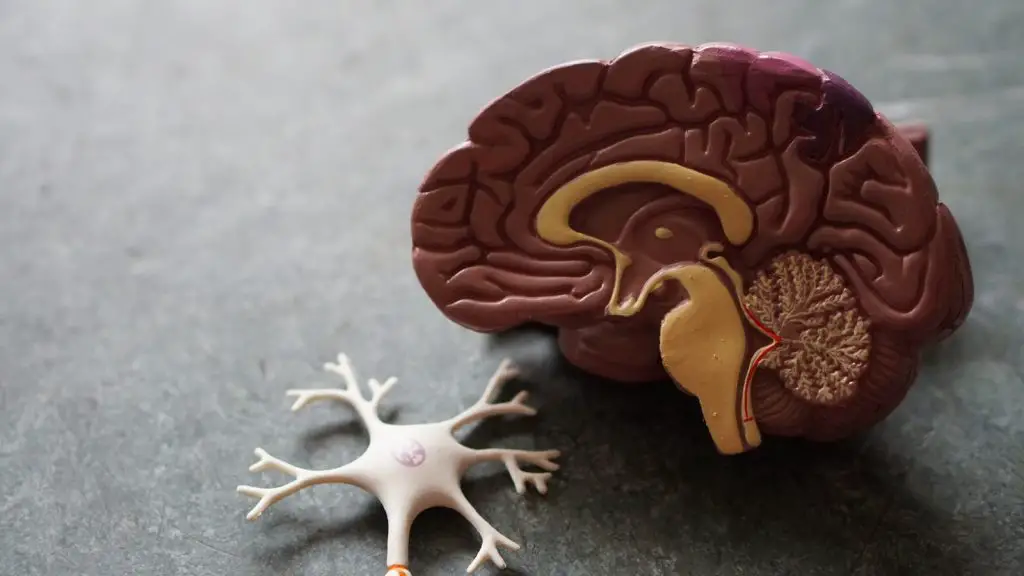
Turmeric has been a focus in natural medicine for hundreds of years. Researchers have taken an intense interest in determining the claims of our ancestors by conducting thousands of rigorous clinical tests on turmeric over the last few decades.
Turmeric has long been recognized by clinical studies for its wide range of health benefits, including brain function and alzheimer’s disease. Turmeric’s curcumin content has shown to have a variety of therapeutic effects, as well as useful applications. Is turmeric good for the brain and can it help with memory and age related cognitive decline? There are many proven health advantages to consuming curcumin.
Turmeric for Brain Health
Turmeric supplements along with other medicines and anti inflammatory drugs have been found to help with a variety of ailments. Curcumin has been proven in studies to alleviate arthritis and joint discomfort while lowering blood pressure and giving a number of additional health advantages for the skin. Turmeric may also help allergy symptoms and aid weight loss.
According to new research, proper curcumin formulations provide meaningful cognitive benefits or there may be significant brain health advantages. Curcumin has neuroprotective qualities that protect mental acuity. As a result, turmeric may help with memory function, foggy thinking, and overall cognitive function.
Before we look at the research, let’s dig a little deeper into memory and brain fog.
Memory and Brain Fog Explained
Cognitive clarity can be hindered by a number of factors, including lack of mental focus, poor concentration, and memory issues. This is not a medical condition in itself; rather, it is a set of symptoms associated with reduced brain activity.
The brain is a highly sophisticated organ. It should be a top priority for everyone to keep it in top shape. The degree to which turmeric can aid you largely depends on the reason for your brain fog, which we’ll talk about later. First, let’s take a look at some major functions of the brain.
- The mind’s capacity to explore, discover, and understand information from experience, senses, and thought is known as cognition. Cognition includes memory, reasoning, judgment, problem-solving, decision making, computations (such as addition), evaluation , and many more aspects of intellectual function.
- Our brain’s capacity to encode, store, recall events or information is known as memory. It’s the total amount of data accumulated throughout time with a set of encoded neural connections in the brain that we call memory. Consider it like your mind’s information processing system, which includes working memory, long-term memory, and sensory processing.
- A memory is not the same as learning. Information acquisition, which entails neurons firing together in particular combinations, raises the possibility that they will fire simultaneously when needed in future. Learning also involves modifying existing knowledge, skills, or behavior.
- Neuroplasticity, often referred to as brain plasticity, is the ability of the brain to alter frequently throughout a person’s life. This process includes enhancing or decreasing synapses, fine-tuning neural networks, and learning and remembering new information.
Why Turmeric Curcumin?
Turmeric has been found to help with a variety of brain fog causes. Turmeric may assist with neurological disorders such as Alzheimer’s disease, migraine headaches, and depression, all of which are recognized causes of mental tiredness.
Turmeric contains curcumin, which has several cognitive benefits. Curcumin can help prevent and treat liver disease/ liver toxicity, diabetes, and thyroid disease, all of which might cause brain fog and memory problems if left untreated. Researchers have a lot of reasons to be optimistic about turmeric’s ability to enhance cognition since it is also an effective antioxidant properties.
Turmeric for Memory and Brain Fog
In a group of healthy elderly individuals, one research investigated the impact of turmeric on attention and mood. The study included 60 persons between the ages of 60 and 85 who took a 400 mg curcumin dose. The study was double-blind, placebo-controlled, and randomized.
After one hour post-administration, working memory activities and sustained attention span improved by one hour in the curcumin group compared to the placebo group, according to a study published in Frontiers in Neurology. The curcumin group had reduced psychological stress-induced tiredness, better mood, and a greater sense of calmness after four weeks.
Finally, the study found that overall alertness and contentment improved. While turmeric isn’t typically associated with nootropics, it appears to improve memory, attention, and concentration in the elderly.
Turmeric has a lot of mechanisms of action that help to prevent cognitive decline. Curcumin inhibits chronic low-grade systemic inflammation, increases antioxidant activity, and lowers oxidative stress.
Taking curcumin has been shown in studies to have multiple effects including antidepressant effects and neuroprotective effects, which could help prevent cognitive deterioration. These procedures demonstrate an inherent capacity to delay brain aging and alleviate foggy thinking resulting from age or illness.
Turmeric may also help the body produce more DHA (docosahexaenoic acid). DHA is a fatty acid that is important for brain health, development, and neuroprotection.
If you don’t have enough DHA, you’re more susceptible to a slew of cognitive issues, including anxiety, memory difficulties, and difficulty focusing. Curcumin has been discovered to cross blood brain barrier, enhance several enzymes that convert alpha-lipoic acid (ALA) into DHA.
Aside from anti inflammatory effects, curcumin’s ability to minimize the neurotoxicity induced by fluoride may also help preserve brain health. Fluoride is well-known for having harmful impacts on mental health and other essential biological functions. Researchers conducted a study testing curcumin’s neuroprotective qualities in mice.
The study examined whether or not fluoride increases lipid peroxidation, which is a major mechanism of cell membrane damage. Fluoride also boosted the number of brain neurodegenerative cells in the hippocampus. There was a significant reduction in both neurodegeneration and LPO after 30 days of curcumin treatment.
In a group of aged rats, curcumin was used in a second experiment to see if it can enhance memory and neurogenesis. Neurogenesis is the growth of new neurons in the brain. Following 12 weeks of treatment, researchers found that the rats had improved cognitive function and neurogenesis.
Curcumin has been shown to improve attention in individuals with ADHD. The researchers found that children with ADHD who took a curcumin supplement improved spatial and non-spatial memory, as well as hyperactivity/inattentiveness symptoms. These findings suggest that curcumin may have an effect on neurogenesis, neurotransmission, synaptic plasticity, and antioxidant activity in the brain.
A brain-derived neurotrophic factor (BDNF) is also important for cognitive function. It promotes the growth and maturation of nerve cells (neurons) in the body. Turmeric has been found to significantly boost BDNF levels in those with premenstrual syndrome (PMS), diabetes, and obesity.
The fourth study we’ll look at further supports the use of curcumin for memory improvement and brain fog reduction. For a 20-day treatment period, rats suffering from chronic stress were given curcumin.
After turmeric treatment, there was a large reduction in hippocampal neurogenesis, which was followed by an increase in serotonin receptors and BDNF. These findings suggest that curcumin might help to restore cognitive performance after stress-induced abnormalities in the brain have been eliminated.
How to Take Turmeric for Brain Health
Turmeric may help you boost your brain power or keep your mind working properly as you age. Turmeric powder contains only 3.14 percent curcumin, so simply sprinkling it on meals or drinks isn’t enough and won’t provide any advantages.
To ensure that you receive the correct amount of curcumin for your brain, it is critical to take an encapsulated turmeric supplement. Furthermore, most turmeric supplements include turmeric and black pepper together for enhanced absorption. This is important because curcumin has a hard time absorbing on its own in the body.
The most effective turmeric supplements will incorporate AstraGin, which has been studied to promote turmeric absorption by 92%. AstraG In also has the advantage of supporting digestive function and overall gut health.
Dosage Recommendations
How much turmeric should I consume for brain health? The key to obtaining the greatest results is to know how much curcumin you require each day and to take it regularly. Take 150 to 250 mg of curcumin per day for boosting cognitive function and mental well-being. Most turmeric supplements fall within this range, which is a safe place to start.
You should also make sure to take turmeric with black pepper for increased absorption. If you want even more brain-boosting benefits, consider adding a magnolia extract supplement to your regimen as well. This herb has traditionally been used in Asia for cognitive enhancement and is only recently being studied in the West.
Potential Side Effects
What are the drawbacks of turmeric usage? Turmeric and curcumin have been linked to a small number of adverse effects, especially when administered at the correct dose. It’s critical to know about the following harmful side effects in order to protect yourself.
- Curcumin is a blood thinner that may cause problems with other anticoagulants.
- Excess amounts of turmeric might cause stomach upset, nausea, and headaches.
- Turmeric has a glucose-lowering effect, so diabetics or anyone closely monitoring their blood sugar should exercise caution.
Who should not take turmeric?
Turmeric should not be consumed while pregnant or nursing. Although turmeric powder in food is probably safe, don’t eat therapeutic amounts during this time. If you take turmeric two weeks before surgery, keep away from blood thinners and complications due to recovery.
Turmeric and Brain Health
How can turmeric help your brain? Based on the existing evidence, it appears that yes, and with virtually no harmful side effects. However, most of the research focused on aging persons or people who were experiencing significant cognitive impairment.
Curcumin supplements have been found to preserve brain health by lowering neuroinflammation, inhibiting degeneration of neurons, and exhibiting strong neuroprotective effects. However, we require additional research to determine whether curcumin is beneficial for younger, otherwise healthy people.
