
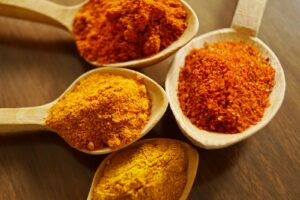
The Chemistry of Turmeric: Why It’s a Natural Food Coloring Agent
Turmeric, a spice known for its bright yellow colour and distinct flavor,
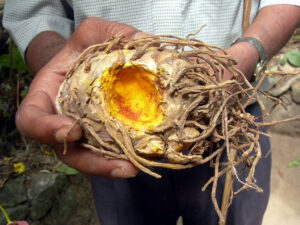
Insect Repellent Properties of Turmeric
This golden-hued herbaceous plant, scientifically known as Curcuma longa, harbors a secret

Turmeric for Weight Management: Natural Solutions!
Diving into the world of turmeric for weight management and body mass

Turmeric and Honey: The Golden Elixir for Health
In a world filled with health trends and superfoods, the natural remedies
The Chemistry of Turmeric: Why It’s a Natural Food Coloring Agent
Turmeric, a spice known for its bright yellow colour and distinct flavor, has long been a staple in kitchens around the world. Beyond its culinary
Insect Repellent Properties of Turmeric
This golden-hued herbaceous plant, scientifically known as Curcuma longa, harbors a secret within its rhizomes – the insect repellent properties of turmeric. This article delves
Turmeric for Weight Management: Natural Solutions!
Diving into the world of turmeric for weight management and body mass index, I’ve explored the science behind turmeric and its role in shedding those
Turmeric and Honey: The Golden Elixir for Health
In a world filled with health trends and superfoods, the natural remedies like turmeric and honey are reemerging as stars in the realm of holistic

Can Turmeric Be Used in Body Scrubs? Benefits, Recipes and More
Wondering if can turmeric be used in body scrubs? Turmeric, a golden spice commonly found in kitchens around the world, has gained popularity in recent

Does Turmeric Stain?
Turmeric is a vibrant yellow spice that is commonly used in cooking and has many health benefits. However, one downside to using turmeric is its
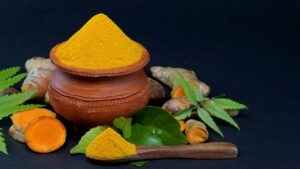
Why is Turmeric Considered a Superfood?
To those familiar with Indian cuisine, turmeric is a renowned spice, offering a unique kick and vibrant color to a smorgasbord of dishes. Beyond its
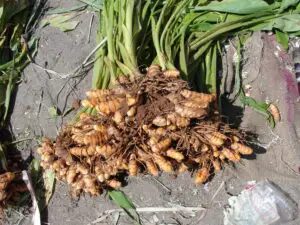
Where Is Turmeric Grown? A Global Perspective on the Golden Spice
Dive into the world of turmeric, the vibrant, golden spice that has been used for centuries in cooking and traditional medicine. In this blog post,

Unlock the Incredible Holistic Benefits of Turmeric for Mind and Body
Esteemed for its restorative properties, Turmeric exudes a formidable presence in the world of natural healing solutions. The holistic benefits of turmeric for mind and

Turmeric and Hair Health: Promoting Healthy Hair
It’s no secret that maintaining strong and healthy hair is a goal for many people, but did you know that turmeric and hair health are
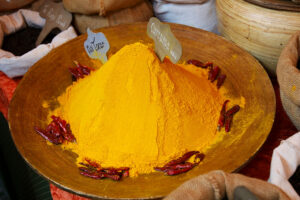
Can Turmeric Be Used in Salad Dressings?
Turmeric is a versatile spice known for its vibrant orange color and numerous health benefits. It is commonly used in curries and other savory dishes,

Turmeric and Eye Health: Can It Improve Your Vision?
Over the years, turmeric and eye health have become an increasingly popular topic of discussion. Known for its potent anti-inflammatory and antioxidant properties, turmeric has
